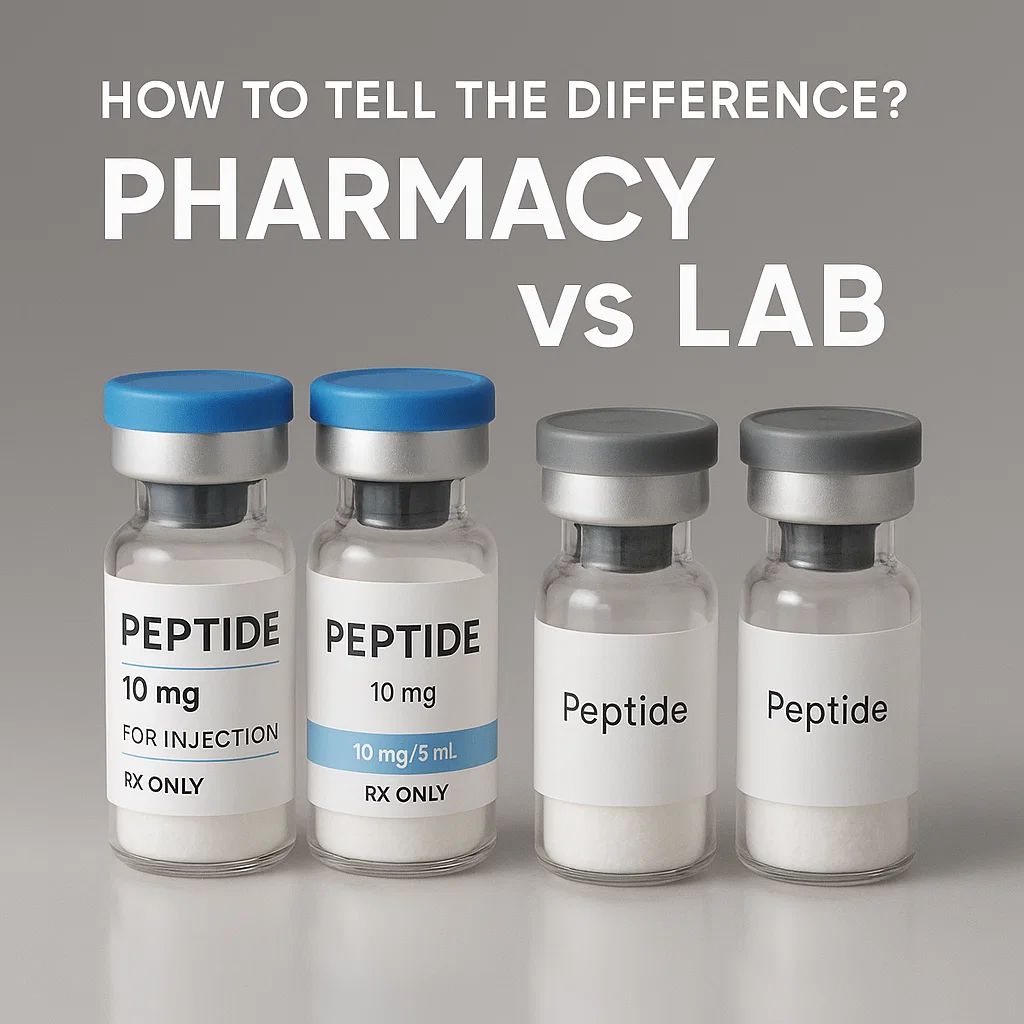
Peptide Pureness & Quantitation Screening
It is an area-percent pureness dimension, not a full identification or activity examination. Notably, pureness percents define chemical make-up only-- they do not show sterility or biological viability. Peptides from Maxed Out Substances are provided exclusively for lab research use and are not meant for human or vet purposes. Peptide purity is commonly shared as a percentage, such as 95% or 98%. This figure represents how much of the example is composed of the wanted peptide sequence. For most lab applications, a purity of 95% or greater is thought about research-grade.
Peak Laboratory is a specific supplier of high-purity chemical reagents and peptides. All products provided are purely for in-vitro research laboratory r & d utilize just. Discover flagship research study peptides with batch-specific COA documents and HPLC/MS confirmation. Products are for in-vitro research laboratory research study usage just and are except human usage.
Peptide Useful Analysis In Biomedical Research
For scientists, acquiring verified peptides isn't just a rule-- it's the foundation of trusted experiments and research study reproducibility. Poor-quality peptides (those with undetected contaminations, wrong series, or broken down components) can bring about deceptive information and irreproducible results. Actually, proteins and peptides are among one of the most widely used lab reagents, yet studies have shown that their quality is often poor, resulting in bad data reproducibility. Starting with appropriate lab validation is therefore a crucial part of a scientist's quality assurance process.
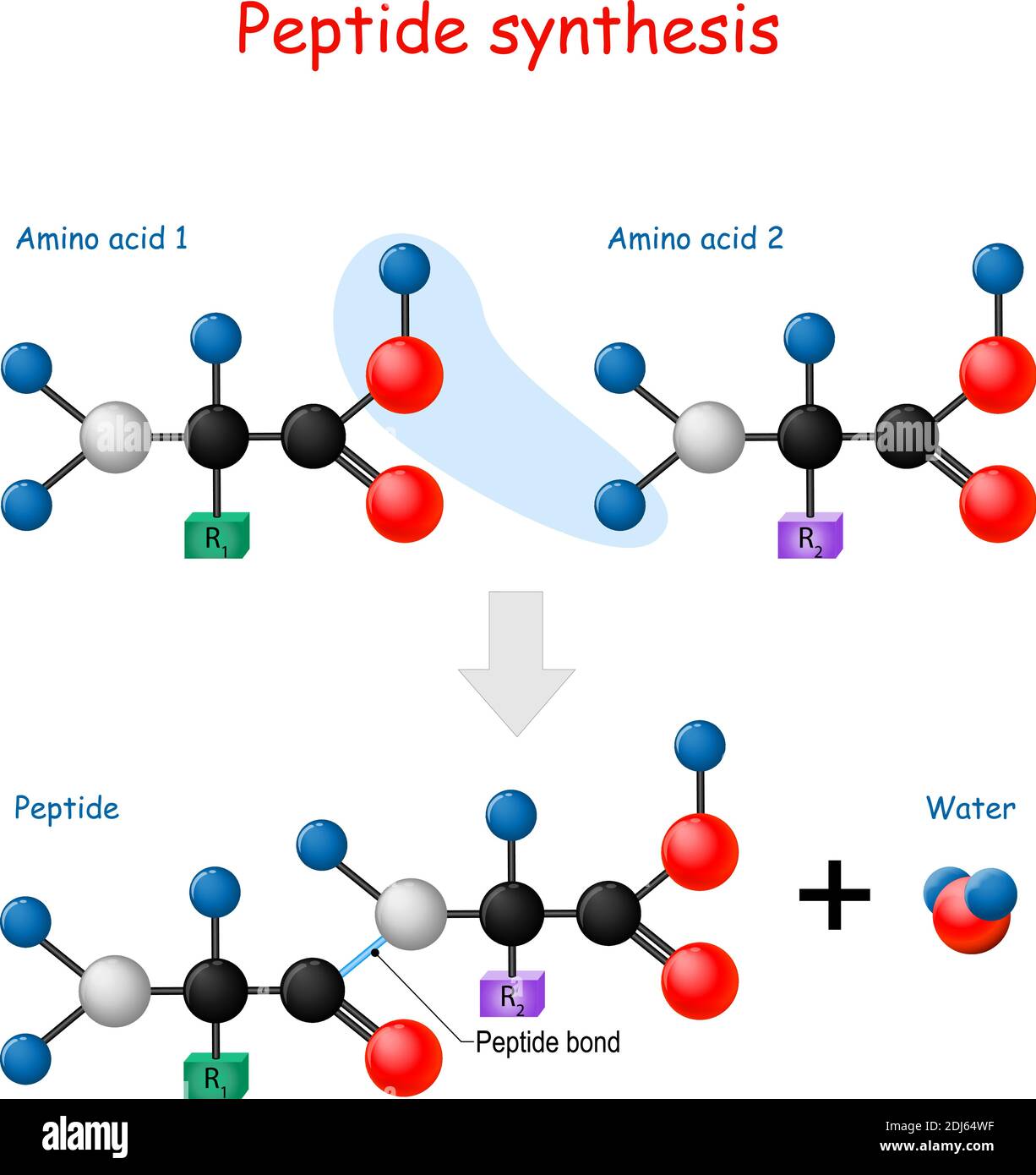
What Can We Provide?
Peptide screening is the collection of analytical checks used to review a peptide sample prior to it is utilized in a research study operations. In sensible COA review, the term usually describes pureness testing, identification testing, and documentation evaluation. Pureness screening asks just how much of the spotted sample is the major peptide versus relevant pollutants. Identity testing asks whether the measured mass or sequence-related evidence matches the desired peptide. Paperwork evaluation asks whether the report is batch-specific, deducible, and detailed enough to be audited. Peptide screening is the analytical process used to verify that a research peptide is both pure and properly identified.BOC Sciences, with its durable logical system and specialist team, concentrates on high quality testing solutions for peptide raw materials, peptide microspheres, peptide nanoparticles, and peptide formulation preparations. We work with biotech, pharmaceutical, CRO, CDMO, and scholastic teams on peptide chemical and physical evaluations that support research study and non-clinical choice making. Get in touch with us today to Clinical Research discuss your peptide series, example standing, and analytical objectives.
Why Lab Validation Matters In Peptide Quality
- Peptides from Maxed Out Compounds are supplied specifically for lab research study use and are not planned for human or veterinary objectives.It functions as a reminder and legal please note that the item is not a restorative or consumable.Call us today to review your peptide series, sample status, and logical purposes.HPLC separates peptide combinations and can spot also minor contaminations listed below 1% of the sample [4]
The table listed below web links typical project objectives to practical analytical panels and the type of decisions they help sustain. Asparagine and glutamine residues can go through deamidation, altering the peptide's fee and hydrophobicity. Deamidation is one reason storage conditions issue, particularly after a peptide has actually been reconstituted. Every item we carry is lab-tested and verified by third-party companions, so researchers understand specifically what they're working with. Peptides containing methionine or cysteine deposits are at risk to oxidation. Methionine can be oxidized to methionine sulfoxide; cysteine can create Additional hints unwanted disulfide bonds or be oxidized to sulfinic or sulfonic acid derivatives.
It is one reason proper peptide storage space and reconstitution methods matter. Partial peptide pieces can arise from insufficient synthesis or post-synthesis degradation. These fragments are usually smaller sized than the target peptide and may elute at different retention times. The injector introduces a precise quantity of example right into the mobile-phase stream. Constant shot quantity issues since straining the column can widen tops, misshape pureness price quotes, or hide neighboring impurities. A solid peptide testing workflow uses methods that respond to complementary questions. The table below is the sensible method to think of usual examinations when checking out a peptide COA.