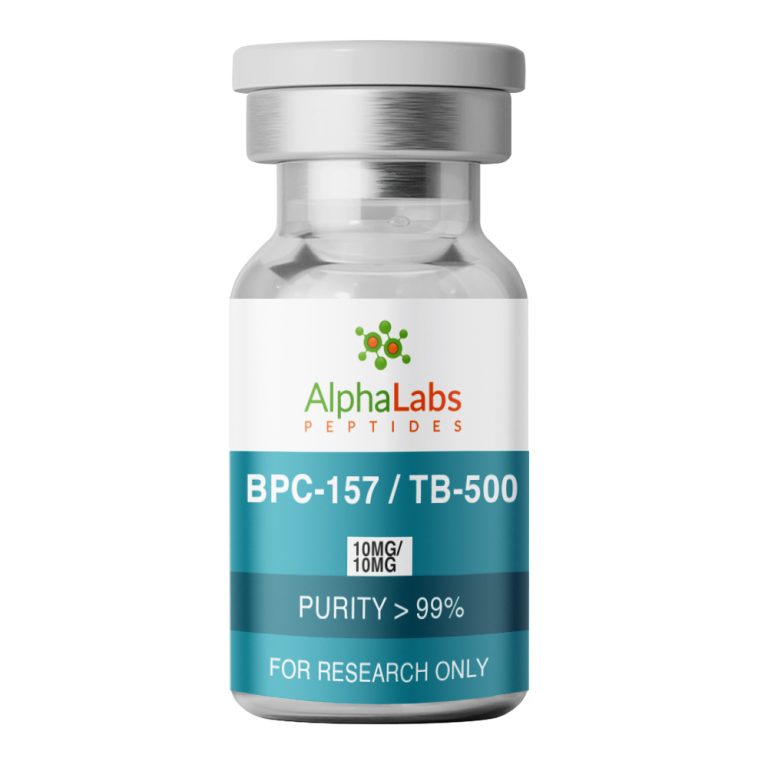
Peptide Purity Screening: Exactly How Researchers Confirm Quality One of the most rigorous quality, including careful HPLC purification-- in some cases numerous rounds-- and rigorous QC. Required for measurable research studies, structural biology, in vivo study versions, and any type of application where even percentages of impurity might affect outcomes. This is the quality where the cost increases most greatly, because achieving that last 1-- 3% of pureness needs disposing of a considerable fraction of the manufactured material. A practical assay gauging downstream signaling-- or an architectural research study using NMR or X-ray crystallography-- requires the highest possible purity available. Crystallographers specifically typically require ≥ 98% purity since even small contaminants can avoid crystal development or present disorder into the crystal lattice. The reproducibility situation in biomedical study is well-documented. Palmetto Peptides supplies third-party COA paperwork for its study peptide directory, with testing done by approved exterior analytical research laboratories. See our article on comprehending COAs for research study peptides as an examples making use of genuine COA frameworks. A COA that does not consist of endotoxin testing results is insufficient for any kind of research study application entailing biological systems.
- These fragments are typically smaller than the target peptide and may elute at various retention times.If you see a pureness percentage on a peptide product, it almost certainly originated from an HPLC evaluation.Mass spectrometry confirms whether the measured mass matches the anticipated peptide mass.HPLC separates peptide combinations and can detect also small contaminations below 1% of the example [4]The Limulus Amebocyte Lysate (LAL) test is the typical approach for endotoxin quantification.This is the quality where the boost most dramatically, since achieving that last 1-- 3% of pureness calls for disposing of a considerable portion of the synthesized material.
What Documents Do I Obtain?
Poor-quality peptides (those with undetected pollutants, wrong series, or deteriorated elements) can lead to misleading information and irreproducible results. Actually, proteins and peptides are among the most commonly used laboratory reagents, yet studies have actually shown that their quality is frequently inadequate, causing poor data reproducibility. Beginning with correct lab validation is consequently a crucial part of a researcher's quality assurance operations. By demanding peptides that come with verification of pureness and identity, scientists can significantly reduce the risk of experimental artifacts. This adds to the bigger reproducibility situation in science. Alternatively, making use of peptides that have passed third-party lab recognition aids guarantee that the observed speculative effects are absolutely due to the designated peptide and not as a result of impurities or mistakes. The chromatogram is one of the most crucial aesthetic information component on an HPLC peptide test record. It is a graph with time on the horizontal axis and detector reaction, generally UV absorbance, on the upright axis. Each height stands for a part that was divided and found. Also minor impurities can change results, lower reproducibility, or present undesirable variables into a research study. Scientists depend on accurate, confirmed compounds to guarantee their searchings for are both valid and constant. Peptide screening is logical verification of a peptide sample. In COA review, it generally consists of HPLC purity testing, mass spectrometry identification verification, and batch-specific paperwork revealing the evaluated great deal, method, results, and day. With years of analytical screening experience and progressed tool systems, BOC Sciences provides comprehensive peptide quality testing solutions throughout the whole procedure from basic materials to formulas. Third-party laboratory recognition can considerably aid in this conformity process. The resulting information are formatted right into reports that regulators expect. Inquiries like the length of time peptides last become relevant after verification. Criterion turnaround is commonly 5-7 business High Quality Peptides days from example receipt. Rush handling can decrease this to 2-3 days at extra cost. Strategy study timelines to suit screening delays, particularly for time-sensitive applications. A pureness percent without a chromatogram is scientifically not enough. The chromatogram provides aesthetic verification of the claimed pureness.What maker is utilized to check peptide purity?
Peptide pureness is regularly determined by HPLC (high performance liquid chromatography). This approach enables separation and relative quantification of each peptide manufactured. If paired to a mass spectrometer (MS), this offers molecular mass/ identification details of the target peptide and coming with impurities.
How Much Time Does Peptide Screening Take?
If screening verifies high quality, you've acquired confidence for future orders. The laboratory is frequently discussed alongside Janoshik and MZ Biolabs as a relied on third-party confirmation source. For peptides with alterations (acetylation, amidation), the theoretical mass ought to represent these modifications. The peptide storage space guide covers appropriate handling that maintains sterility without calling for formal screening. Examining uses Inductively Combined Plasma Mass Spectrometry (ICP-MS), which can detect also trace degrees of steels. Heavy steels collect in the body over time, possibly creating neurological damages, kidney disorder, and various other chronic issues. Approval restrictions for study usage depend on the application-- cell-based assays need stricter endotoxin restrictions than, for instance, binding assays utilizing detoxified healthy proteins. HPLC can disclose brand-new contamination heights, enhanced shoulder optimals, or a lowered main-peak area after storage or managing stress and anxiety. It is one reason correct peptide storage space and IGF-1 LR3 reconstitution techniques issue. Mass spectrometry validates whether the gauged mass matches the anticipated peptide mass.